Tree Pruning in Harrow
If you are looking for tree pruning in Harrow, you are probably trying to solve a very practical problem: a tree has become too large for the space, branches are blocking light, growth is leaning over a roof or driveway, or a once-neat garden now needs careful attention. In a busy borough like Harrow, where homes, shops, schools, offices, and shared outdoor spaces sit close together, proper pruning matters. It is not just about making a tree look tidy. It is about keeping trees healthy, reducing risk, improving daylight, and making sure your outdoor space works for you all year round.
Local properties across Harrow vary a lot. You might live in a family home with a mature front garden, a terrace with limited access, a detached house with established trees, or a commercial property with landscaping that needs to remain presentable and safe. Whatever the setting, pruning should be carried out with care and an understanding of the tree, the season, and the surrounding site. A skilled local team can help you make the right decisions for the tree and for your property.
Whether you need routine crown maintenance, selective branch removal, deadwood cutting, or more targeted shaping, the aim is to keep the tree in good condition while improving safety and appearance. If you have been searching for a reliable tree pruning service in Harrow, this page explains what is involved, what affects the work, and how to prepare. It is designed to help real local customers decide what they need and when to book.
Why Tree Pruning Matters for Harrow Properties

Tree pruning is one of the most important forms of tree care because it directly affects the tree’s structure, health, and future growth. In Harrow, where gardens often border neighbouring properties and trees may sit close to fences, windows, garages, and pavements, the benefits are especially noticeable. A well-pruned tree can let more natural light into a home, reduce the chance of branches brushing against buildings, and create a better balance between the tree and its surroundings.
For many local customers, pruning is also about control and practicality. A tree that looked fine when it was first planted can quickly become too broad, too tall, or too dense for the space available. Branches may interfere with aerial lines, block a view from the road, overhang a neighbour’s garden, or shade out a lawn and planting beds. Careful pruning helps manage these issues without removing the tree entirely, which is often the better outcome for both the property and the landscape.
Another key reason is safety. Heavy, dead, cracked, or rubbing branches can become a concern, particularly after windy weather. Harrow sees its share of seasonal storms, wet winters, and strong gusts that expose weak points in trees. Regular pruning allows a tree surgeon to remove problem growth before it turns into a larger issue. That makes the tree safer for people using the property, while also helping it remain stable and healthy over time.
What Tree Pruning Can Include
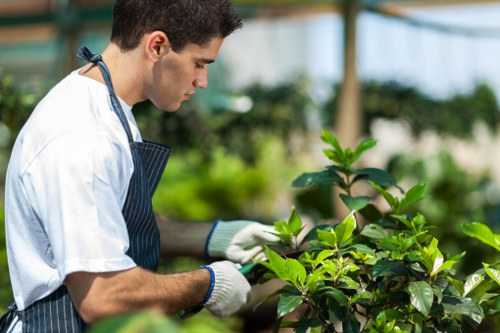
Different trees need different approaches. There is no single method that suits every situation, which is why a local tree team will look at the species, age, shape, health, and surrounding space before recommending work. Pruning can involve anything from light trimming to careful branch removal, and the right approach will depend on what you want to achieve and what the tree actually needs.
Common forms of pruning include crown thinning, which removes selected branches to let more light and air pass through the canopy; crown reduction, which reduces overall size while preserving the tree’s natural shape; deadwood removal, which takes out dead or failing branches; and crown lifting, which removes lower branches to create clearance under the canopy. In some cases, formative pruning for younger trees can help establish a strong structure early on.
Sometimes the work is more specific. Branches may need to be cut back from a roof, pruned away from a boundary, or lifted to create access over a path, driveway, or garden seating area. In commercial settings, pruning may be used to keep entrances clear, maintain visibility, or make sure the site looks tidy and professional. Whatever the reason, the goal is to make the tree work better for the space it occupies.
Signs Your Tree May Need Pruning

Many people are unsure when pruning is needed. A tree does not always show obvious signs until the canopy has become too heavy or the growth has started affecting nearby structures. If you are not sure whether your tree needs attention, a few common indicators can help you decide when to arrange an inspection or quote.
Look out for branches that are crossing, rubbing, or growing in awkward directions. These can create weak points and damage the tree over time. Excessive shading, large amounts of leaf litter, or branches brushing against windows and guttering are also signs that pruning could be useful. If you can hear branches moving against the property in windy conditions, that is often a clue that the tree is too close to its surroundings.
Other signs include dead tips, broken limbs, a canopy that appears unbalanced, or new growth that is becoming dense enough to block airflow. In some Harrow gardens, mature trees may also be competing with lawns, borders, or neighbouring plants for light and space. Tree pruning in Harrow can address these concerns while preserving the character of the tree and the look of the garden.
Local Knowledge Matters
Choosing a local tree care company is useful because Harrow has a wide mix of property types and access conditions. Roads can be busy, parking may be limited, and side access can be narrow or awkward. Some gardens can only be reached through a house, a shared passage, or a small gate. A local team that regularly works in the area will already be familiar with these challenges and can plan the job accordingly.
There is also the practical matter of surrounding environment. Harrow includes older residential streets, newer developments, school grounds, retail areas, and communal spaces that all require different care. A tree overhanging a private garden in South Harrow may need a different approach from a tree shaping the frontage of a business in central Harrow or a shared boundary near Rayners Lane. Good pruning should be sensitive to the site, not just the tree itself.
Local experience also helps when advising on timing. Some trees are best pruned during dormancy, while others may require lighter work at specific points in the year to avoid stress or excessive sap bleeding. A knowledgeable local arborist can explain what is appropriate for the species on your property and help you plan work at a sensible time.
How Professional Tree Pruning Works
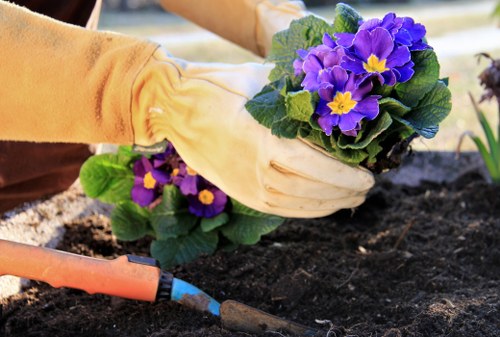
A well-run pruning job starts with assessment. The tree surgeon will look at the size, condition, and structure of the tree, as well as the access available and any nearby targets such as roofs, fences, cars, sheds, and footpaths. This step is important because the work should be tailored to the tree rather than forced into a fixed pattern. The aim is to improve the tree while avoiding unnecessary stress or damage.
After assessment, the team will agree the scope of work. That could mean light crown thinning to reduce density, selective reduction to pull branches back from a building, or removal of dead and damaged limbs. For larger trees, the work may be done in stages, with each cut made carefully to preserve natural form. Pruning should never be rushed; clean cuts in the right places matter for long-term health.
Most professional teams will also manage the site safely. That may include cordoning off the work area, using climbing equipment or a platform where needed, and ensuring branches are lowered in a controlled way. Once pruning is complete, the site is usually left tidier, with arisings removed or processed depending on the agreed service. This makes the process easier for homeowners, landlords, and business owners who want minimal disruption.
Benefits of Choosing a Skilled Local Team
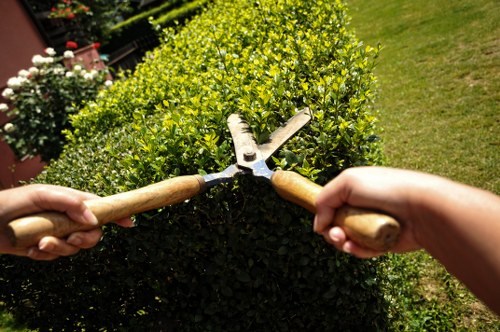
A good pruning job is not just about cutting branches. It is about understanding how trees respond and making sure the work contributes to better growth in the future. That is why many customers prefer a trained local team rather than treating pruning as a simple garden task. With trees, the wrong cuts can cause imbalance, poor regrowth, or avoidable stress.
There are several practical benefits to working with a local specialist for tree pruning in Harrow:
- Careful assessment of the tree’s health and structure
- Appropriate pruning methods for the species and season
- Safer work near roofs, driveways, roads, and public areas
- Better access planning for tight gardens and shared spaces
- Cleaner finish that improves the appearance of the property
- Advice on follow-up care and future maintenance
For many local customers, the main benefit is confidence. You want to know the work will be carried out properly, the tree will not be unnecessarily reduced, and the property will be respected. A professional local service should make the process straightforward from the first enquiry to completion.
Residential Tree Pruning in Harrow
Homeowners often contact a pruning service for reasons that are both visual and practical. A tree may be blocking light into a living room or kitchen, casting too much shade over a garden, or dropping debris onto patios and cars. In areas of Harrow where houses are fairly close together, branches can also become a source of friction between neighbours if they overhang boundaries or encroach into shared space.
Residential pruning is especially common for front gardens, rear gardens, boundary trees, and mature specimen trees that have outgrown their original planting space. The work may involve tidying a tree so it feels more balanced, lifting lower limbs to improve access, or reducing spread so the canopy no longer presses against the house. Careful pruning can also help young trees develop better form, which reduces the need for more significant work later.
Many homeowners also want a tree to remain an attractive feature rather than lose its character. That is why selective pruning is often preferable to drastic cutting. The aim is to retain natural shape, preserve healthy growth, and make sure the garden still feels spacious and usable. If you are planning to sell, rent, or simply improve your home environment, a tidy and well-managed tree can make a noticeable difference.
Commercial Tree Pruning for Harrow Businesses and Organisations
Commercial properties have their own needs. A business may need trees pruned to maintain a neat exterior, keep signage visible, prevent branches from interfering with customer access, or reduce the risk of falling debris in public areas. Offices, care facilities, schools, retail units, apartment blocks, hospitality venues, and community premises can all benefit from regular tree maintenance.
For commercial customers, consistency and minimal disruption are often key. Work may need to be scheduled at a convenient time to reduce impact on staff, visitors, or trading hours. A local team familiar with Harrow’s roads and access patterns can plan arrival and equipment movement more efficiently, especially where parking or loading is limited. This can make a big difference when a site has restricted entry or shared access routes.
Professional pruning in a commercial setting also supports safety and presentation. Managed trees can help a property look cared for, while reducing the likelihood of branches causing avoidable damage or becoming a nuisance to customers and passers-by. If you oversee a site in Harrow and need regular maintenance, pruning can be part of a wider tree care plan that keeps the grounds in order throughout the year.
What Affects the Cost of Tree Pruning?
Because every tree and site is different, pricing depends on several factors rather than a fixed one-size-fits-all figure. Customers in Harrow often want to know what influences the quote so they can plan properly and compare options fairly. A clear estimate should reflect the work required, not just the size of the tree.
Main pricing factors usually include:
- Tree size and species — larger or denser trees usually need more time and specialist equipment
- Access — narrow side passages, rear-garden-only access, or obstacles can increase complexity
- Type of pruning — light thinning, reduction, and deadwood removal involve different levels of effort
- Height and spread — tall or wide crowns may require more labour and control
- Location of the tree — trees close to buildings, roads, or boundaries may need extra caution
- Waste handling — removal and processing of branches and debris can affect the overall job
It is often worth asking for an on-site assessment or detailed quotation so you understand exactly what is included. That way, you can make an informed choice and avoid surprises. If the tree is near a roof, garden room, conservatory, or utility line, make sure the team knows this in advance so they can plan correctly.
How to Prepare for a Pruning Visit
Good preparation makes the work smoother and helps the team get started quickly. Most pruning jobs do not require much from the customer, but a few simple steps can make a real difference, especially in residential streets where access may be tight or parking limited.
Before the visit, consider the following preparation checklist:
- Clear access routes where possible, including side gates or garden paths.
- Move cars, bins, garden furniture, and delicate items away from the work area.
- Check whether any pets will need to be kept indoors or separated from the garden.
- Let the team know about any awkward obstacles, shared entrances, or restricted parking.
- Point out any branches that particularly concern you, such as those near windows or fencing.
- Ensure someone is available if access through the property is needed.
If you manage a commercial site, it is also useful to notify staff or neighbours if pruning may involve temporary noise or restricted access. A small amount of planning helps the work proceed safely and efficiently.
Most importantly, be clear about your goals. Do you want more light, a safer canopy, better shape, or clearance from the building? Sharing that information early helps the pruning be done in the way that best suits your property.
When Is the Best Time for Tree Pruning?
The right time for pruning depends on the type of tree and the purpose of the work. Some trees are better pruned in late winter or early spring when they are dormant, while others are more suitable for lighter maintenance during the growing season. In some cases, the timing is shaped by safety concerns, such as removing a hazardous branch as soon as possible rather than waiting for a preferred season.
In Harrow, seasonal conditions matter. Wet weather, leaf cover, nesting considerations, and the health of the tree all play a role in planning. A professional tree surgeon can advise whether work should happen now or be scheduled for a better window. That is especially important for mature or sensitive trees where careless timing can cause avoidable stress.
If your tree is causing immediate issues, it is usually better to ask for an assessment rather than delay. Even if the work can only be partially completed straight away, a local expert can explain the safest and most appropriate next step. That approach is far more useful than making a guess and risking damage to the tree or property.
Areas Covered in and Around Harrow
Tree pruning services are often needed across a wide local area, not just in one part of the borough. Customers may live in a quiet residential road, a busy high street location, or a commercial area that sees regular foot traffic. Local teams commonly work across Harrow and nearby neighbourhoods such as South Harrow, North Harrow, West Harrow, Wealdstone, Kenton, Rayners Lane, and surrounding parts of northwest London.
Those different locations can mean different access and planning needs. For example, a property near Harrow-on-the-Hill may have older boundaries and mature planting, while a newer development might have tighter plots and shared access. In busier parts of the area, safe parking and careful load-in/load-out planning are especially important. That is one reason many local customers prefer a team that already knows the area well.
If you are unsure whether your property falls within the usual service area, it is still worth making an enquiry. Local companies often cover a broader area than customers expect, and a short conversation can quickly confirm whether pruning work can be arranged.
Frequently Asked Questions
Do I need permission to prune a tree?
Sometimes, yes. If a tree is protected by a Tree Preservation Order or lies within a conservation area, there may be restrictions on what work can be done. A proper assessment should check this before any pruning begins. If you are unsure, ask for advice before arranging work.
Will pruning harm my tree?
Not when it is done correctly. In fact, proper pruning can support long-term health, reduce weak growth, and improve the tree’s structure. The risk comes from poor technique or overcutting, which is why careful, selective work is important.
How often should trees be pruned?
That depends on the species, age, growth rate, and location. Some trees need occasional maintenance every few years, while others may require lighter, more regular attention. Trees close to buildings, driveways, or boundaries often need more frequent checking.
Can pruning make more light enter my garden?
Yes. Crown thinning, crown lifting, or a suitable reduction can often improve daylight without removing the tree altogether. This is one of the most common reasons customers request pruning in built-up residential areas.
What if my tree is too close to the house?
A local tree surgeon can assess the situation and recommend the safest option. Sometimes selective pruning is enough; in other cases, a more significant reduction may be needed. The key is to work carefully and avoid damaging the tree or property.
Is tree pruning messy?
It can create a lot of branches and leaf waste, but a professional team should manage the arisings and leave the site tidy. If you have specific concerns about driveways, paths, or neighbouring areas, mention them before the job begins.
Why Harrow Customers Choose a Local Tree Pruning Service
When tree work is needed, local knowledge can make the whole process easier. A local team understands the layout of the borough, the mix of property types, and the practical issues that come with working in lived-in spaces. That means better planning, smoother access, and advice that reflects the realities of the area rather than generic assumptions.
Customers also value clear communication and practical service. If you are arranging tree pruning in Harrow, you want a team that listens to your concerns, explains what the tree needs, and carries out the work with respect for your property. Whether the job is a simple tidy-up or a more involved canopy reduction, it should feel straightforward and well managed.
For homeowners, landlords, facilities managers, and business owners alike, pruning is an investment in the safety, appearance, and condition of the property. A tree that is maintained properly tends to remain more manageable, more attractive, and less likely to cause avoidable problems. If you are ready to deal with an overgrown tree or you simply want expert advice, contact us today to discuss the work and request a free quote based on your site.
Book Tree Pruning in Harrow
If your trees are becoming too large, too dense, or too close to buildings and boundaries, now is the right time to act. Well-planned pruning can improve safety, let in more light, and keep your outdoor space looking cared for. It can also prevent minor issues from turning into more costly or disruptive problems later on.
Whether you need a one-off visit or you are looking for regular maintenance, a local service can provide the right level of care for your trees and your property. From private gardens to commercial grounds, professional pruning helps keep things in shape while respecting the natural character of the tree.
Book your service now if you want to restore balance, improve access, and keep your tree in good condition. If you are in Harrow or the nearby areas and need reliable support, reach out for a practical quotation and expert advice tailored to your site.